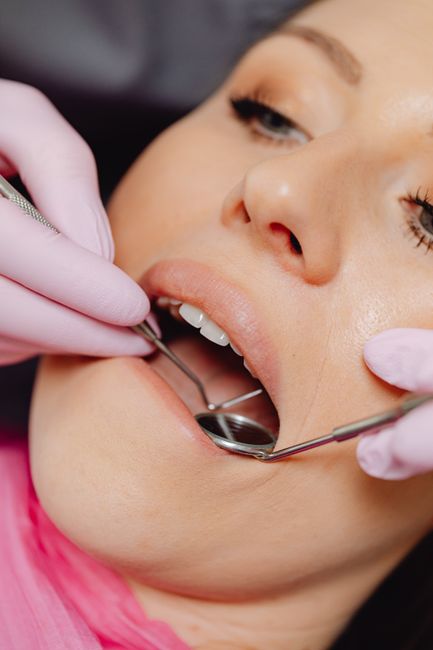
Cavity Prevention in Bhopal: Your Complete Guide to Healthy Teeth

Dr. Tarun Pandey
BDS, MDS (ORTHODONTICS) · Bhopal

Cavities remain one of the most common dental problems affecting adults in Bhopal, yet they are almost entirely preventable with the right knowledge and habits. Whether you're concerned about your own teeth or looking to protect your family, understanding cavity prevention is the first step toward maintaining a healthy smile for life.
At Titanium Smiles, we believe prevention is always better than treatment. With over 15 years of experience in comprehensive dental care, Dr. Tarun Pandey and our team have helped thousands of Bhopal residents avoid cavities and other dental complications. This guide breaks down everything you need to know about cavity prevention—from separating fact from fiction to knowing when professional help is necessary.
Common myths about cavity prevention in Bhopal (and the truth)
The biggest myth about cavities is that they only happen if you eat lots of sugar—but the real culprit is how often your teeth are exposed to acid, not just sugar itself.
Many people in Bhopal believe that as long as they avoid sweets, their teeth are safe. This isn't entirely accurate. While sugar does feed cavity-causing bacteria, it's the frequency of acid exposure that matters most. A person who sips sugary drinks throughout the day will develop cavities faster than someone who eats a large dessert once a week, then brushes immediately afterward.
Another common myth is that brushing harder removes more plaque. In reality, aggressive brushing can damage your gum line and enamel. Gentle, circular motions with a soft-bristled toothbrush for two minutes is the evidence-based standard.
Some patients also believe that if a tooth doesn't hurt, there's no cavity. Pain often arrives late in cavity development. By the time you feel discomfort, the decay may have already reached deeper layers of the tooth, potentially requiring root canal treatment instead of a simple filling.
Finally, many adults think that once they're past childhood, cavity risk decreases. The truth is that cavity risk increases with age, especially if gum recession exposes the softer root surfaces of teeth. This is why professional teeth cleaning and regular check-ups become even more important as we age.
Real risks vs imagined ones
The real risk of cavities isn't just the cavity itself—it's the cascade of problems that follow if left untreated.
A small cavity that goes unnoticed can progress into a large one within months. Once decay reaches the pulp (the nerve center of your tooth), you'll need root canal treatment, which is far more complex and expensive than a simple filling. A root canal treatment in Bhopal typically costs between ₹3,000 to ₹8,000, whereas a filling costs ₹500 to ₹2,000.
Beyond cost, untreated cavities can lead to:
- Tooth loss, requiring dental implants or bridges
- Gum infections that spread to surrounding teeth
- Abscesses that can affect your overall health
- Difficulty eating and speaking
- Reduced confidence in social situations
The imagined risk many people worry about is that professional teeth cleaning will weaken their enamel. This is false. Professional cleaning removes tartar that your toothbrush cannot, and it actually strengthens your defenses against cavities by eliminating the bacterial buildup that causes decay.
Another imagined concern is that fluoride is dangerous. Decades of research have consistently shown that fluoride, when used appropriately, is safe and dramatically reduces cavity risk. Fluoride strengthens enamel and makes teeth more resistant to acid attacks.
What modern technology has changed
Modern dental technology now allows us to detect cavities before they're visible to the naked eye and prevent them with precision treatments.
When Dr. Tarun Pandey first began practicing, cavity detection relied on visual inspection and basic X-rays. Today, laser fluorescence technology and digital imaging can identify decay at the earliest stages—sometimes before a cavity has even fully formed. This means treatment can be simpler, faster, and less invasive.
Digital imaging also reduces radiation exposure compared to traditional X-rays, making cavity screening safer for all patients, including those undergoing regular monitoring.
Another major advancement is the use of sealants. Dental sealants are thin protective coatings applied to the chewing surfaces of back teeth, where cavities most commonly develop. They create a barrier against bacteria and food debris. While sealants are often associated with children, adults benefit from them too, especially those with deep grooves in their molars.
Professional fluoride treatments have also evolved. Instead of the unpleasant foam trays of the past, modern fluoride applications are quick, effective, and come in pleasant flavors. These treatments are particularly valuable for adults with gum recession or those at high risk for cavities.
Additionally, the integration of preventive care with cosmetic treatments means you can address multiple dental needs during a single visit. For instance, professional teeth whitening can be combined with a thorough cleaning and cavity assessment, making your dental visit more efficient.
If you're concerned about the appearance of your teeth alongside cavity prevention, ask Dr. Tarun Pandey about laminates and veneers—treatments that both improve aesthetics and protect against decay.
Recovery: what's normal vs what to call your dentist about
After a cavity filling, mild sensitivity for a few days is normal; persistent pain or swelling should prompt a call to your dentist.
Once a cavity is treated with a filling, you should feel minimal discomfort. Some patients experience slight sensitivity to temperature for 24 to 48 hours as the tooth adjusts. This typically resolves on its own.
What's normal after a filling:
- Slight sensitivity to hot, cold, or sweet foods (usually fades within a week)
- A small amount of numbness if local anesthesia was used (wears off in 2 to 3 hours)
- Mild tenderness when chewing on the treated side
- The filled tooth may feel slightly different in texture
What's not normal and requires immediate attention:
- Severe pain that doesn't improve with over-the-counter pain relief
- Swelling in the jaw, face, or gums
- Signs of infection, such as pus or a bad taste in your mouth
- The filling falling out or feeling loose
- Pain that worsens after a few days
If you experience any of these warning signs, contact Titanium Smiles right away. Sometimes a filling needs adjustment, or in rare cases, the cavity was deeper than initially detected and root canal treatment is necessary.
For cavity prevention going forward, avoid chewing on hard objects like ice or hard candy, and be gentle with the treated tooth for the first 24 hours after filling placement.
When to seek treatment in Bhopal
You should schedule a dental appointment in Bhopal if you notice visible holes or dark spots on your teeth, experience tooth pain, or haven't had a professional cleaning in over six months.
Regular dental visits are the cornerstone of cavity prevention. The Indian Dental Association recommends that adults visit their dentist at least twice per year for check-ups and professional cleaning. If you have risk factors—such as dry mouth, a history of cavities, or gum disease—more frequent visits (every three months) may be beneficial.
Signs you need an appointment soon:
- Visible cavities or dark spots on your teeth
- Tooth sensitivity that's new or worsening
- Pain when biting down
- Bleeding or swollen gums
- Bad breath that doesn't improve with brushing
- It's been more than six months since your last professional cleaning
At Titanium Smiles, located at E3/119, First Floor, Arera Colony, Main Road No.3, near Gastrocare Hospital in Bhopal, we offer comprehensive preventive care tailored to your individual risk level. Dr. Tarun Pandey specializes not only in orthodontics and invisible braces but also in identifying and addressing cavity risk factors early.
During your visit, we'll assess your cavity risk, discuss your oral hygiene routine, and recommend preventive treatments such as professional teeth cleaning, fluoride applications, or sealants. If cavities are already present, we'll discuss your options, which may include fillings, crowns, or in more complex cases, root canal treatment.
For those with alignment issues that make cleaning difficult, invisible braces or clear aligner therapy can actually improve your cavity prevention efforts by making your teeth easier to clean. Ask Dr. Tarun Pandey how orthodontic treatment might benefit your overall oral health.
Frequently asked questions
How often should I brush my teeth to prevent cavities?
Brush at least twice daily—once in the morning and once before bed—for a full two minutes each time. If possible, brush after meals or snacks, especially after consuming sugary or acidic foods. Use a soft-bristled toothbrush and fluoride toothpaste. The technique matters as much as frequency: use gentle, circular motions rather than aggressive back-and-forth scrubbing.
Is flossing really necessary for cavity prevention?
Yes, flossing is essential. Cavities often develop between teeth where your toothbrush cannot reach. Floss at least once daily, preferably before bed. If traditional floss is difficult to use, water flossers or interdental brushes are effective alternatives. Dr
Interested in treatment at Titanium Smiles?
Check our available slots for Bhopal patients →Dr. Tarun Pandey
BDS, MDS (ORTHODONTICS)
Specialist in Orthodontics & Invisible Braces and 15+ Years of Experience